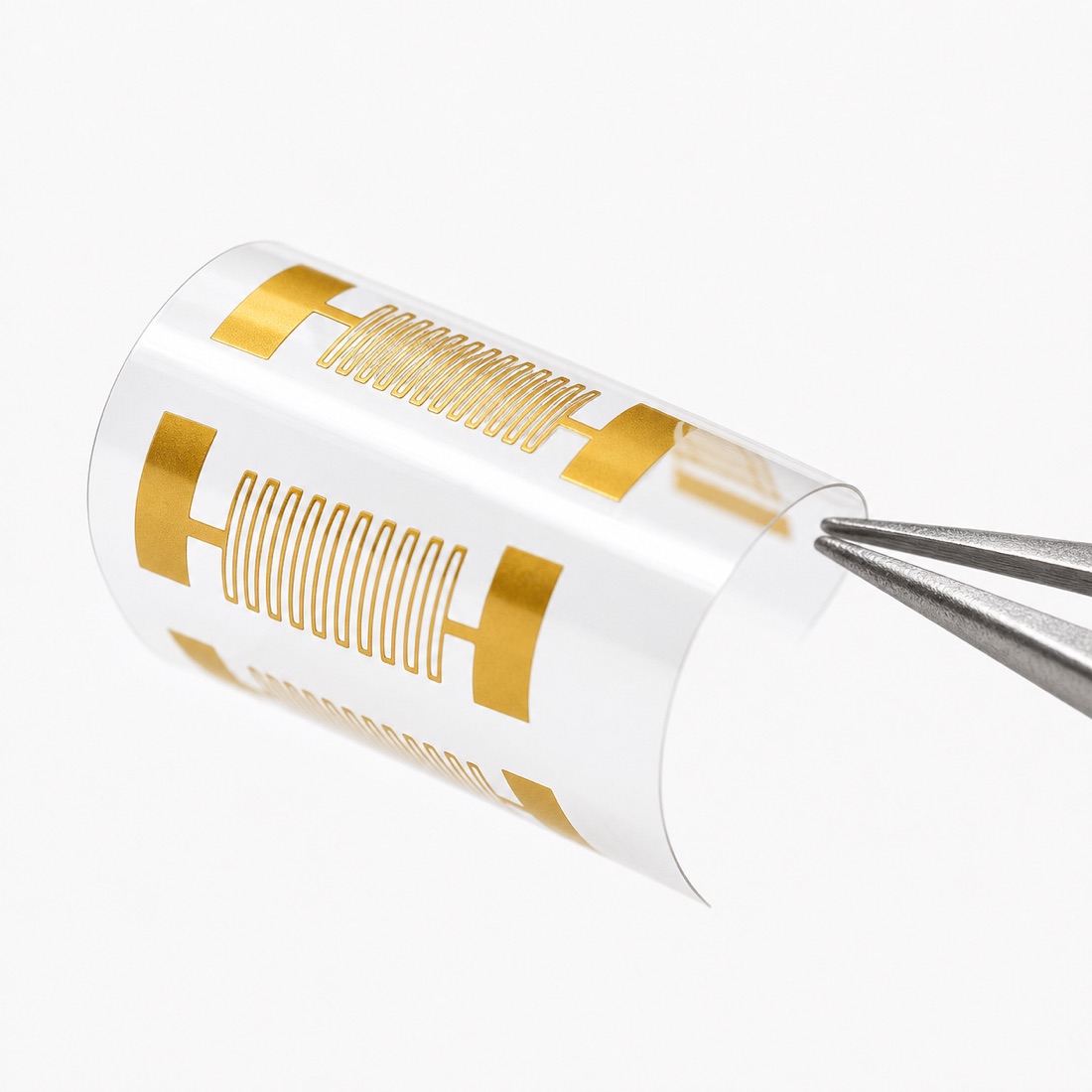
Copper foil thickness affects conductivity, flexibility, handling, forming and the feasibility of micro-processing.
Quick Answer
Choose thinner copper foil when flexibility and compact assemblies matter. Choose thicker foil when handling strength, current capacity or mechanical stability is more important.
What Buyers Should Confirm
- Define whether the copper foil is for shielding, conductive paths, tabs, spacers or test coupons.
- Confirm copper grade, thickness, temper and surface finish.
- Review whether adhesive backing is required or whether bare foil is needed.
- Provide drawings for custom slots, apertures, tabs or shaped components.
Processing and Documentation Notes
Very thin copper foil can wrinkle, stretch or deform during handling. If a design includes fine geometry, the edge quality and fixture plan should be reviewed before the quotation is finalized.
Related Finalfoil Resources
FAQ
Is thinner copper foil always better for electronics?
No. Thin foil saves space and improves flexibility, but thicker foil may be needed for handling or current capacity.
Can copper foil be processed with micro slots?
Yes, drawings can be reviewed for femtosecond laser slots, holes and contour cutting.